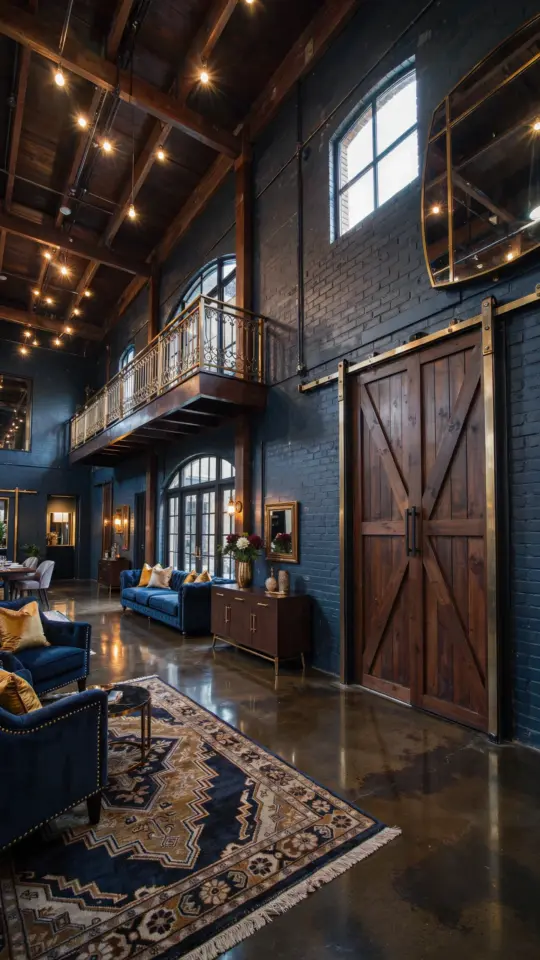
Neutral decor for barndominium: The most common mistake is going too cold
You have probably seen those stark barndominium interiors that look more like a warehouse than a home. That happens when people focus only on the industrial bones and forget to layer in warmth. A true BarndominiumInterior that feels timeless needs a careful balance of softness and grit. The easiest fix is to start with a neutral palette that leans earthy instead of gray. Think warm beige, taupe, oatmeal, and clay tones. These colors make the exposed metal and concrete feel intentional rather than harsh. I have helped several friends tweak their loft spaces, and swapping a cool gray wall for a sandy beige did more for the cozy factor than any rug or throw pillow could.
Another mistake is treating neutrals as boring. People worry that beige or cream will feel flat. The trick is to layer different textures within the same neutral family. A linen sofa against a lime-washed brick wall, a jute rug under a weathered leather chair, and matte black lighting fixtures all read as neutral but create depth. You avoid that one-note look while keeping the palette calm. If you choose a single neutral and repeat it in every surface, the space will feel unfinished. Instead, vary the finishes: matte, rough, smooth, woven. That is what gives a barndominium its character.
Industrial loft interior design mistakes: Overloading the raw elements
Many people assume that an industrial loft interior means maximum metal, concrete, and exposed ductwork. The result can feel like a factory floor without any soul. I once toured a barndominium where every surface was steel white and polished concrete. It was so loud acoustically and visually that you could not relax. The mistake is treating industrial materials as the entire design rather than as a backdrop. The fix is to add soft, organic elements that break up the hard lines. For example, hang a large woven wall hanging over a steel beam, or place a thick wool rug under a metal coffee table.
Another common issue is ignoring the light temperature. Industrial spaces often have high ceilings and few windows, which can make them feel cavernous and gloomy. The mistake is using only cool white or blue-toned bulbs. That makes the metal look colder and the concrete grayer. Switch to warm white bulbs (2700K to 3000K) for your main fixtures, and layer in floor lamps with fabric shades. You will instantly soften the industrial loft vibe without losing the edge. Even a single table lamp with a linen shade can transform a corner from stark to inviting.
Rustic industrial balance: Why you cannot rely on steel alone
Finding the right rustic industrial balance is where most barndominium owners stumble. They either pile on too much reclaimed wood until it feels like a log cabin, or they go heavy on metal until it feels like a machine shop. The sweet spot is a 60:40 ratio of hard industrial elements to softer rustic touches. One specific mistake is using reclaimed wood everywhere: floors, walls, ceilings, furniture. That kills the contrast. Instead, pick one or two statements for rustic wood. A reclaimed wood ceiling in a dining area or a salvaged barn door for the pantry works beautifully. Let the steel beams and concrete floors stay as the neutral foundation.
Another error is forgetting about scale. Rustic elements like chunky wood beams or oversized farm tables can overwhelm a small barndominium. I have seen a narrow open-plan kitchen drown under a massive live-edge slab dining table. The room felt cramped and unbalanced. If your space has soaring ceilings but limited square footage, keep the rustic furniture low and light. A slim bench instead of a heavy hutch, open shelving instead of bulky cabinets. That lets the industrial structure breathe while still bringing in organic warmth. Remember, the goal is a conversation between the two styles, not a fight for attention.
Reclaimed wood barndominium tips: Choose wisely and space it out
Reclaimed wood is a favorite for barndominium interiors, but it can backfire if you use it without strategy. One big mistake is picking wood that is too dark or too red-toned. Dark reclaimed wood against exposed metal can create a muddy, heavy look. I always recommend a medium brown or grayed oak for maximum versatility. It works with both warm and cool industrial finishes. Also, avoid mixing too many wood species. Stick to one or two. If your beams are barn wood, keep your flooring a different but complementary tone, maybe a wide-plank pine that is whitewashed to soften it.
Another practical mistake is installing reclaimed wood in wet or high-traffic areas without proper sealing. Barndominiums often have open kitchens and mudrooms that get heavy use. Unsealed wood will absorb grease, moisture, and dirt, and it will quickly look dingy. Use a matte polyurethane or a hardwax oil that preserves the texture but protects the surface. For wall treatments, consider using reclaimed wood only on an accent wall behind the bed or the sofa. This creates a visual anchor without overwhelming the room. A little goes a long way, and it keeps the rustic industrial feel fresh and intentional.
Soaring ceilings
#BarndominiumInterior #NeutralDecor #IndustrialLoft #RusticIndustrial #HomeInspo
Leave a Comment